How to brief a designer in five minutes
A short, repeatable brief gets you better first drafts, fewer rounds and a faster launch.
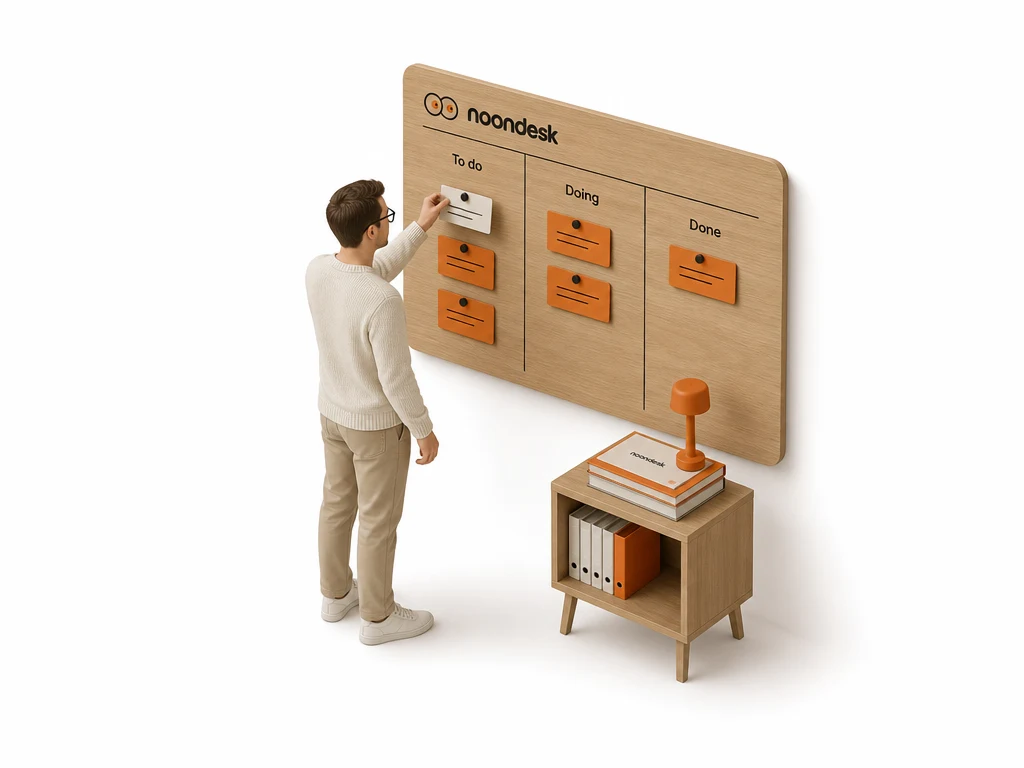
Most design delays do not come from the design. They come from the brief. A vague request leads to a guess, the guess leads to a revision, and two or three rounds later the deadline has moved. The fix is not a longer document. It is a better five minutes.
Start with the outcome, not the format
Saying “I need a banner” tells a designer what to export. Saying “I need more people to click through to the pricing page from our newsletter” tells them what to solve. Lead with the goal, then mention the format.
The five lines that matter
Goal: what should happen after someone sees this?
Audience: who is it for, and what do they already know?
Message: the one thing they should remember.
Must-haves: copy, logo, sizes, legal lines.
Reference: one example you like, and one you do not.
A good brief is a decision made early, instead of an argument held late.
Share the context a designer cannot guess
Where will this be seen: a feed, an inbox, a billboard, a pitch deck? What did the last campaign do well? What did the team already try? Two sentences of context usually save a full round of feedback.
Make feedback just as short
The same rule applies after the first draft. Point to what is not working and why, not how to fix it. “The headline gets lost on mobile” gives a designer room to solve it. “Make the headline bigger” does not.
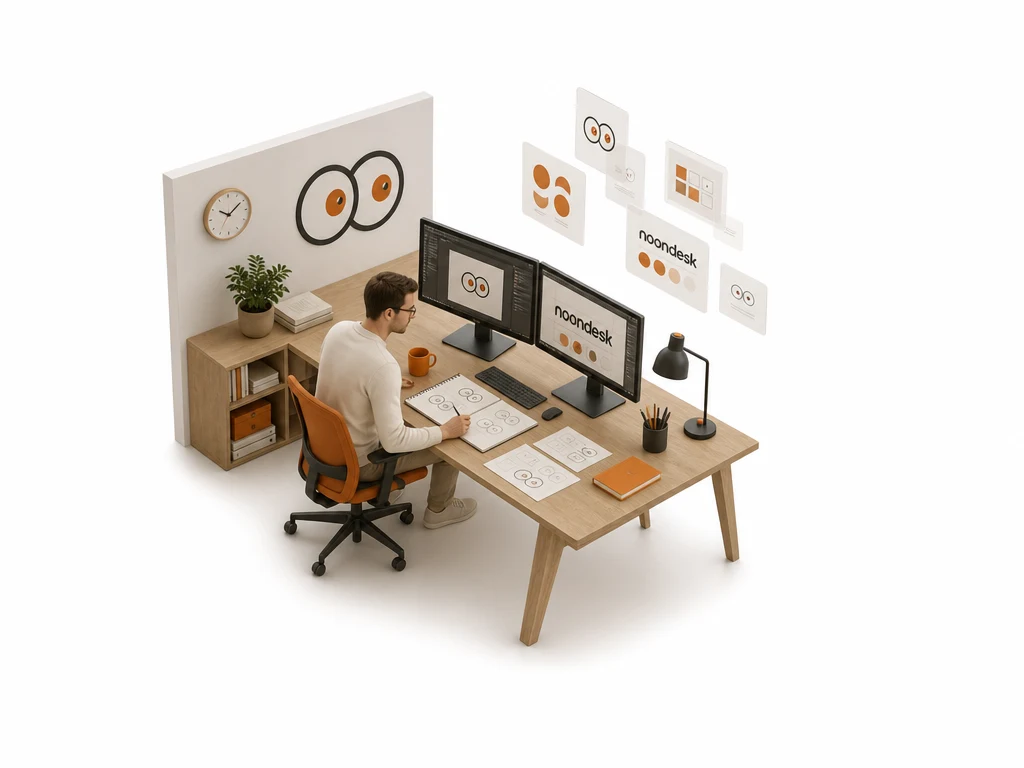
Try the five lines on your next request and see how many rounds it takes. Most teams find the first draft lands a lot closer.
Written by Sachin Ratur
Founder, noondesk. I drop AI & design tricks a few times a month for fast-moving marketing teams. Write to me at sachin@noondesk.com.